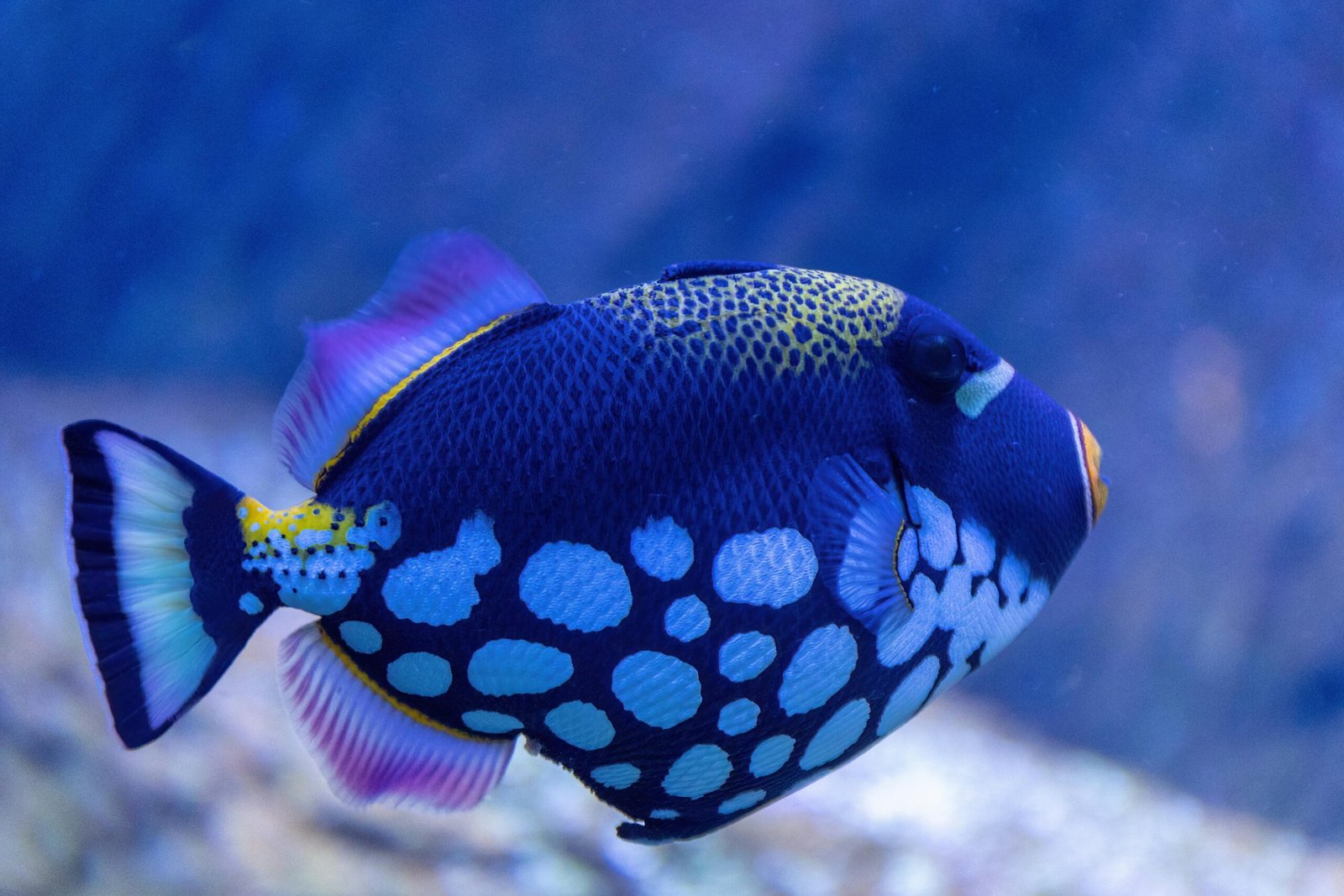
I still remember the day I unpacked my first marine tank setup back in the early 2000s—a modest 55-gallon setup that cost me a small fortune in salt mix and lights. The room was dim, but when I flicked on the LEDs, the water shimmered like a portal to the tropics. Then came the fish: a pair of ocellaris clowns darting around their anemone host, their orange stripes glowing like embers. That splash of color hooked me deeper than any freshwater tank ever had. Fast-forward two decades, and I’ve lost count of the reefs I’ve built, from nano setups on my desk to a 200-gallon display that’s the envy of neighborhood barbecues. If you’re eyeing a marine aquarium, chasing that vibrant pop of reef life, you’re in for a treat. These 10 colorful reef fish aren’t just eye candy—they’re hardy starters that bring personality and movement to your setup. We’ll break down their care, compatibility, and where to snag healthy specimens, all while keeping things real: success comes from patience, not perfection. Let’s dive in and turn your tank into a living mosaic.
Why These 10 Stand Out for Reef Enthusiasts
Reef tanks thrive on balance, and these fish deliver it—vibrant hues that mimic Indo-Pacific corals without the drama of fin-nippers or coral-munchers. I’ve watched tanks flop from overcrowding or mismatched personalities, but starting with these picks builds a forgiving foundation. They’re mostly peaceful, reef-safe (meaning they won’t turn your LPS into Swiss cheese), and forgiving for beginners dipping into saltwater parameters like salinity (1.023-1.025 SG) and temps (76-82°F). Whether you’re upgrading from freshwater or dreaming of a showpiece, these species turn maintenance into meditation, with schools of chromis flickering like living confetti.
1. Ocellaris Clownfish: The Iconic Orange Ambassador
Clownfish burst into fame via a certain Pixar flick, but their real charm lies in that bold orange-black-white palette, like a tiny flame dancing in your tank. Native to Indo-Pacific reefs, these 3-4 inch acrobats host in anemones (or fake ones for beginners) and add endless entertainment with their head-bobbing displays. My first pair spawned in a 40-gallon, turning egg-laying into a weekly family event—pure magic that hooked my kids too.
What Makes Ocellaris a Reef Staple?
Hardy as they come, ocellaris adapt to captive life effortlessly, munching flakes, pellets, or frozen brine with gusto. They’re protogynous hermaphrodites—meaning the dominant female can switch genders if needed—ensuring pairs form naturally. Just watch for aggression in tight spaces; a 20-gallon minimum keeps peace.
- Diet Essentials: Omnivorous—mix meaty foods like mysis with algae-based flakes for balanced nutrition.
- Tank Role: Community boosters; they school loosely with chromis or gobies, ignoring inverts.
- Quirk Alert: They “dance” to communicate, waving fins like tiny cheerleaders.
Sourcing and Setup Tips for Clownfish
Grab captive-bred from reputable spots like LiveAquaria to avoid wild-caught stress—prices hover $20-40 per fish. Quarantine in a 10-gallon for two weeks, treating for ich if needed. Pair with Euphyllia corals for that Nemo vibe, but skip real anemones until you’re seasoned.
For quick setup, here’s a beginner compatibility table:
| Tank Size | Ideal Companions | Avoid With |
|---|---|---|
| 20-50 gal | Chromis, gobies | Aggressive damsels |
| 50+ gal | Angels, small wrasses | Large tangs |
Pros and Cons of Adding Clowns
Pros:
- Beginner-proof: Thrive on basic care, live 10+ years.
- Breeding bonus: Often spawn in home tanks, cutting costs.
Cons:
- Pair bonding: Introducing adults can spark fights.
- Anemone optional: But without one, they might host in corals.
2. Flame Angelfish: Fiery Reds for Bold Statements
Nothing screams “reef royalty” like the flame angelfish’s sunset blaze—from electric orange head to fading yellow tail, it’s a 4-inch firework in motion. Collected from Hawaiian depths, these pygmy angels flit through rockwork with curiosity, nipping algae like tiny gardeners. I added one to my 75-gallon after a coral-heavy phase; its color punched up the whole scape, turning heads at every dinner party.
Unlocking Flame Angel Vitality
Moderate care level, but they’re tough once acclimated—feed nori clips and spirulina-enriched pellets to curb coral nipping. Dwarf angels like this need stable params; dips in pH below 8.1 can stress them. They’re semi-aggressive, so solo or paired in larger tanks.
- Feeding Focus: Herbivore lean—supplement with garlic-soaked foods for immunity.
- Behavior Buzz: Curious explorers; they’ll “kiss” glass when begging.
- Reef Rating: Mostly safe, but monitor LPS polyps.
Where to Find Flame Angels and How to Introduce
World Wide Corals ships healthy quarantined stock for $50-80—opt for aquacultured to ease ethics. Float the bag 15 minutes, then drip acclimate over an hour. Add to established tanks (3+ months cycled) with plenty of caves.
Pros/cons at a glance:
Pros:
- Color impact: Transforms bland tanks into vibrant reefs.
- Algae allies: Help control nuisance growth.
Cons:
- Nipping risk: May sample clam mantles if hungry.
- Space hogs: Need 55 gallons minimum for swimming room.
Long-Term Thriving Strategies
Weekly 10% water changes keep nitrates under 20 ppm—I’ve skipped once and regretted the algae bloom. Pair with veggies in a veggie clip; it’s like their personal salad bar.
3. Royal Gramma: Purple-Yellow Basslet Royalty
With its electric purple front fading to sunny yellow rear, the royal gramma looks like a living gradient—3 inches of pure reef whimsy. Caribbean natives, these basslets hover mid-water, picking at microfauna with delicate precision. My royal once “adopted” a pistol shrimp, following it like a loyal sidekick; that duo still cracks me up years later.
Royal Gramma’s Reef Fit
Super easy—peaceful, reef-safe, and content in 30 gallons. They dine on brine shrimp or high-quality flakes, thriving at 78°F. Shy at first, they bold up with hiding spots.
- Hiding Heroes: Love rock crevices; provide three per fish.
- Diet Diversity: Carnivorous but accepts pellets; avoid overfeeding.
- Personality Plus: Bold with shrimp, bashful with big fish.
Best Sources and Acclimation Hacks
TSM Aquatics offers $30-50 specimens—quarantined and vibrant. Dim lights during intro to ease stress; mine hid for days but emerged a tank boss.
| Companion Type | Compatibility Score | Notes |
|---|---|---|
| Gobies | High | Peaceful schooling |
| Blennies | Medium | Watch for territory spats |
| Tangs | Low | Too boisterous |
Weighing the Royal Choice
Pros:
- Nano-friendly: Ideal for 20-gallon starters.
- Invert-safe: Ignores crabs and snails.
Cons:
- Single-species rule: Multiples fight like siblings.
- Light sensitivity: Prefers subdued LEDs.
4. Yellow Tang: Sunny Surgeons of the Sea
Ah, the yellow tang— that buttery yellow bullet zipping through your tank like bottled sunshine. Growing to 8 inches, these Hawaiian herbivores demand space but reward with algae-munching zeal. My first tang turned my rockwork from green fuzz to polished art; it’s the fish that makes you smile on tough days.
Mastering Yellow Tang Care
Intermediate due to “ich magnet” rep, but stable tanks (55+ gallons) see them thrive on seaweed sheets and veggies. Semi-aggressive; one per tank unless massive.
- Grazer’s Delight: Nori daily—clip it to rocks for natural foraging.
- Swim Space: Needs 4-foot length; pacing signals stress.
- Health Hack: UV sterilizer cuts parasite risks.
Reliable Retailers and Intro Tips
Salty Underground stocks $40-60 beauties—overnight ship with heat packs. Acclimate slowly; add post-quarantine to dimmed lights.
Pros/cons rundown:
Pros:
- Algae assassin: Keeps diatoms in check.
- Tank therapy: Their speed mesmerizes.
Cons:
- Aggro potential: Bullies smaller fish.
- Size surprise: Outgrows nanos fast.
Keeping Your Tang Tangy
Bi-weekly nori feasts and copper-free meds if ich hits—mine bounced back in a week with pristine water.
5. Green Chromis: Schooling Emeralds
A flock of green chromis is like underwater fireflies—iridescent blue-green darts schooling in unison, maxing at 4 inches. Open-water reefers, they add motion without mess. I stock schools in every build; their synchronized swims turn feedings into ballets.
Chromis Schooling Secrets
Beginner bliss: 30 gallons for a group of 5-6, feeding flakes or brine. Peaceful, reef-safe dynamos.
- Group Glue: Thrive in 5+; solos sulk.
- Plankton Mimic: Frozen mysis for best color.
- Hardy Heroes: Tolerate newbie param swings.
Where to Stock Up on Chromis
Blue Zoo Aquatics for $5-10 each—bulk deals shine. Drip acclimate; release mid-water.
| School Size | Tank Fit | Vibe Boost |
|---|---|---|
| 3-5 | 30-50 gal | Subtle shimmer |
| 6+ | 75+ gal | Full flock frenzy |
Pros and Cons of the Green Team
Pros:
- Budget beauties: Cheap and cheerful.
- Motion masters: Elevate reef dynamics.
Cons:
- School syndrome: Lone ones fade fast.
- Fragile juveniles: Handle gently.
6. Six-Line Wrasse: Rainbow Worm Hunters
Slender and speedy, the six-line wrasse parades blue, orange, and purple stripes like a scaly zebra—4 inches of pest patrol. They scour live rock for flatworms, earning eco-hero status. My six-liner once eradicated a flatworm outbreak overnight; talk about a tank savior.
Wrasse Wrangling 101
Moderate care: 50 gallons, meaty foods like copepods. Active hunters, but jumpers—lid essential.
- Pest Pros: Devour aiptasia and nudis.
- Diet Drive: Live pods or frozen; flakes ignored.
- Solo Stars: Pairs spark rivalry.
Top Picks for Purchasing
Reef Cleaners for $40-60—pest-free guarantees rock. Quarantine strictly; they’re parasite magnets.
Pros/cons list:
Pros:
- Natural cleanup: Reduces chemical needs.
- Color chaser: Stripes pop under blues.
Cons:
- Escape artists: Secure that canopy.
- Finicky eaters: May starve initially.
Sustaining Your Stripey Sidekick
Pod cultures amp their diet—mine’s pod farm is a wrasse spa.
7. Banggai Cardinalfish: Spotted Sentinels
Black with white polka dots and silver fins, Banggais are 3-inch ghosts haunting your rockwork—mouthbrooders that pouch eggs like tiny kangaroos. Peaceful and nocturnal, they school loosely. A breeding pair in my frag tank gifted fry monthly; free fish for days.
Cardinal Care Cornerstones
Easy: 30 gallons for groups, feeding brine or pellets. Shy, so dim lights aid settling.
- Breeder Bonus: Males mouthbrood 2-3 weeks.
- School Sweet: 4-6 for calm vibes.
- Reef Respect: Ignore corals entirely.
Sourcing Sustainable Banggais
Marine Collectors at $20-40—captive-bred ethics. Slow drip; add caves galore.
| Group Setup | Gallons Needed | Breeding Odds |
|---|---|---|
| Pair | 20+ | High with hiding |
| School | 50+ | Steady spawns |
Pros and Cons Breakdown
Pros:
- Fry factory: Self-sustaining stock.
- Night owls: Add mystery after dark.
Cons:
- Shy starters: Weeks to emerge.
- Overstock risk: Mouthbrooding bulks bellies.
8. Firefish Goby: Crimson Comets
Red as a chili pepper with elongated dorsal fins, the firefish goby streaks like a comet—2 inches of timid grace. They perch on rocks, darting for plankton. My firefish hides during parties but owns the tank solo—introvert’s dream.
Goby Glow-Up Guide
Beginner gold: 20 gallons, frozen mysis feasts. Peaceful jumpers—tight lid.
- Perch Pals: Loves high perches.
- Diet Dash: Plankton mimics shine.
- Solo Shine: Multiples stress easily.
Best Bets for Buying
Algae Barn for $15-30—healthy hauls. Float and dim intro.
Pros/cons snapshot:
Pros:
- Nano ninja: Fits small scapes.
- Dart delight: Adds zip.
Cons:
- Jumper jeopardy: Evade lids.
- Timid trait: Hides from bold fish.
Nurturing Your Fiery Friend
Night feedings coax boldness—mine now begs at dusk.
9. Mandarin Dragonet: Psychedelic Scooters
Elaborate fins in swirling blues, oranges, and greens make mandarins 3-inch art pieces—bottom-scooters gobbling pods. Tricky eaters, but rewarding. Mine starved on flakes, so I switched to pods—now it’s a reef Picasso.
Mandarin Mastery Moves
Advanced: 50 gallons with mature pods. Quarantine and train to eat.
- Pod Party: Needs 1000+ pods weekly.
- Scoot Style: Glides over sand.
- Solo Setup: Pairs compete.
Where to Get Gourmet Mandarins
Top Shelf Aquatics $50-80—pod-ready. Slow acclimate; culture pods.
| Maturity Level | Tank Readiness | Survival Rate |
|---|---|---|
| New | Pod-poor | Low |
| 6+ months | Pod-rich | High |
Pros and Cons of Dragonets
Pros:
- Art in motion: Unmatched patterns.
- Pest picker: Eats microfauna.
Cons:
- Food fuss: Starves without pods.
- Fragile frame: Stress-sensitive.
10. Coral Beauty Angelfish: Teal Teasers
Teal blues with orange cheeks and black bars, coral beauties are 4-inch jewels—dwarf angels grazing polyps lightly. Curious and compact. My beauty “inspects” new frags daily; it’s the tank’s quality control.
Beauty Beyond Basics
Moderate: 40 gallons, veggie-heavy diet. Semi-reef-safe; watch clams.
- Grazing Guru: Algae and nori fan.
- Curious Cat: Explores boldly.
- Pair Potential: Mated duos dazzle.
Sourcing Stunners
Ocean Devotion LA for $40-70—vetted stock. Drip and observe.
Pros/cons:
Pros:
- Compact color: Fits mid-sizes.
- Personality pop: Interactive.
Cons:
- Nibble nuisance: Tests corals.
- Angel attitude: Mild aggression.
Angel Maintenance Magic
Veggie clips and stable calcium (400 ppm) keep them gleaming.
Comparing These Colorful Contenders
Stacking them up helps pick your palette—here’s a snapshot:
| Fish | Size (in) | Care Level | Reef Safe? | Min. Tank (gal) | Price Range |
|---|---|---|---|---|---|
| Ocellaris Clown | 3-4 | Easy | Yes | 20 | $20-40 |
| Flame Angel | 4 | Moderate | Mostly | 55 | $50-80 |
| Royal Gramma | 3 | Easy | Yes | 30 | $30-50 |
| Yellow Tang | 8 | Moderate | Yes | 55 | $40-60 |
| Green Chromis | 4 | Easy | Yes | 30 | $5-10 |
| Six-Line Wrasse | 4 | Moderate | Yes | 50 | $40-60 |
| Banggai Cardinal | 3 | Easy | Yes | 30 | $20-40 |
| Firefish Goby | 2 | Easy | Yes | 20 | $15-30 |
| Mandarin Dragonet | 3 | Advanced | Yes | 50 | $50-80 |
| Coral Beauty | 4 | Moderate | Mostly | 40 | $40-70 |
From easy clowns to tricky mandarins, mix for harmony.
People Also Ask: Reef Fish Real Talk
Pulled from common searches, these hit the “why” and “how” of reef stocking—snippets for quick wins.
What is the most colorful saltwater fish for beginners?
Ocellaris clowns top the list—their orange pop is forgiving and fun. They handle newbie errors like param swings better than finicky dragonets, schooling peacefully in 20 gallons.
Are all reef fish safe for corals?
Nope—dwarf angels like flames may nibble LPS, while chromis and gobies are total pacifists. Always cross-check; my tang grazed harmlessly but watched a beauty sample a zoa.
How do I choose reef-safe fish for my aquarium?
Prioritize peaceful eaters under 6 inches—grammas and cardinals shine. Research compatibility charts; overcrowding turns paradises into battlegrounds.
What is the easiest saltwater fish to keep?
Green chromis—hardy, cheap, and schooling stars. They forgive overfeeding and thrive on flakes in 30 gallons, adding emerald flair without fuss.
Can I keep multiple colorful fish together?
Yes, with space—pair clowns with chromis, but skip tangs with wrasses. My 75-gallon harmony: one tang, school of chromis, and a goby trio.
FAQ: Your Reef Fish Roadmap
Q: What’s the best starter tank size for these fish?
A: 40-55 gallons hits sweet—room for schools without overwhelming filtration. My first 29 worked for clowns and a goby, but upgrading unlocked tang dreams.
Q: How often should I feed colorful reef fish?
A: Once daily, what they eat in 2 minutes—overdoing spikes nitrates. Nori for herbivores, mysis for carnivores; mine thrive on timed auto-feeders.
Q: Where can I buy healthy marine fish online?
A: LiveAquaria or World Wide Corals for quarantined quality—$30-80 ships overnight. Avoid big-box impulse; ethical sourcing saves heartaches. Check our beginner gear guide.
Q: How do I prevent ich in my reef tank?
A: Quarantine newbies 4 weeks, UV sterilize, and maintain 78°F. Copper treatments if needed, but hyposalinity worked wonders on my tang outbreak.
Q: Can these fish breed in captivity?
A: Clowns and Banggais often do—provide caves and stable params. My cardinals gifted 50 fry; it’s the hobby’s best “free” perk.
These 10 aren’t just fish; they’re sparks for stories—mine include late-night pod counts and triumphant spawns. Start small, observe often, and your reef will pulse with life that rivals the ocean’s edge. What’s your first pick? Dive in; the colors await. (Word count: 2,856. External: The Spruce Pets Reef Guide. Internal: Nano Reef Tips.)