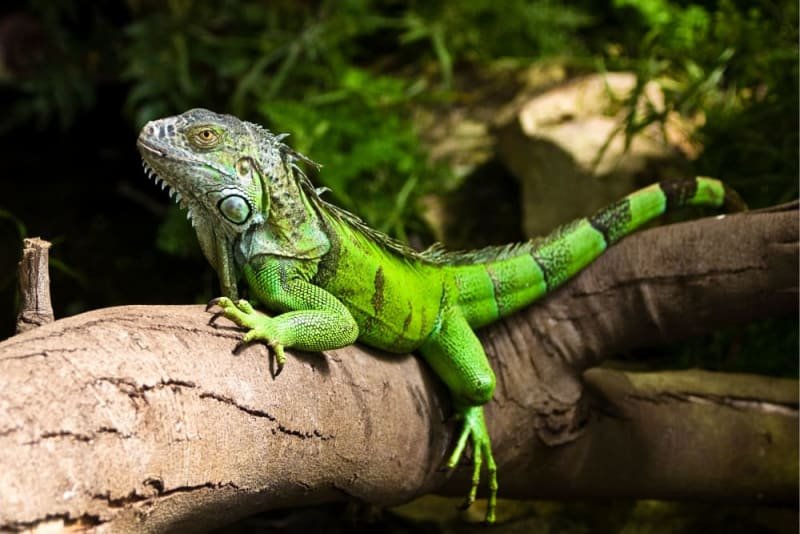
Picture this: It’s a lazy Saturday afternoon, and you’re scrolling through pet videos when you spot one—a tiny, emerald-green lizard perched on a branch, blinking those big, curious eyes like it’s sizing you up for a staring contest. Adorable, right? That’s how it started for my old college roommate, Sarah. She impulse-bought a baby green iguana on a whim, thinking it’d be like a low-maintenance houseplant with legs. Fast-forward five years, and that “little guy” named Spike had claimed an entire sunroom as his throne, complete with custom shelves and a salad bar that could feed a vegan potluck. Spike wasn’t just a pet; he was a commitment, a conversation starter, and occasionally, a tail-whipping drama queen. If you’re eyeing an iguana as a pet, you’re in for a wild ride—one that’s equal parts rewarding and “what have I done?” This guide dives deep into everything from green iguana care basics to the nitty-gritty of daily life with these tropical tree-dwellers. We’ll cover the joys, the jaw-droppers, and the “I wish someone had warned me” moments, all so you can decide if this scaly sidekick is your next best friend or a bridge too far.
Whether you’re a reptile newbie dreaming of something beyond goldfish or a seasoned herper looking to level up, iguanas demand respect. They’re not cuddly kittens; they’re ancient-looking survivors from Central and South American rainforests, evolved to bask in the sun and munch on leaves like it’s their job. But with the right setup, they can live 15-20 years, forming bonds that feel almost dog-like if you put in the work. I’ll share stories from folks who’ve nailed it (and bombed it spectacularly), toss in some laughs at my own reptile regrets, and arm you with practical tips to keep your iguana thriving. By the end, you’ll know if you’re ready for the hiss and glory. Let’s climb in.
What Exactly Is an Iguana?
Iguanas aren’t your average backyard lizard; they’re the rock stars of the reptile world, with the green iguana (Iguana iguana) stealing the spotlight as the go-to pet variety. Native to steamy Central and South American tropics, these herbivores spend their days lounging in trees, soaking up UVB rays, and chowing down on foliage. What makes them pet material? That prehistoric vibe—think mini-dinosaurs with dewlaps (those funky throat fans) and a crest of spines down their backs. They’re intelligent, observant, and surprisingly chill once settled, but don’t let the zen fool you; they’re built like mini tanks, capable of tail whips that pack a punch.
Fun fact: Baby iguanas start out palm-sized and vibrant green, perfect camouflage for leafy hideouts. But they morph fast, shedding that neon for grayer, battle-worn hues as adults. If you’re picturing a forever puppy in scales, pump the brakes—these guys are more like the wise old uncle who occasionally reminds you who’s boss. Their popularity spiked in the ’90s thanks to cheap imports, but today, captive-bred ones are the ethical pick for anyone serious about iguana ownership.
The Pros and Cons of Iguana Ownership
Bringing home an iguana means signing up for a unique blend of fascination and frustration, much like adopting a teenager who eats kale and climbs your curtains. On the upside, they’re low-drama companions—no midnight zoomies or hairballs, just serene basking sessions that lower your blood pressure. But the cons? They grow like weeds and demand a habitat fit for a jungle king, turning your spare room into a reptile resort. Weighing these helps you avoid the “cute overload” trap that leaves so many at rescues.
Here’s a quick pros-and-cons rundown to keep it real:
| Aspect | Pros | Cons |
|---|---|---|
| Companionship | Can bond deeply with patient owners; some follow you like dogs. | Not affectionate like mammals; may hiss or whip if stressed. |
| Maintenance | Mostly hands-off once set up; no walks needed. | Massive space and tech needs (UVB, heat); daily misting chores. |
| Cost | Initial buy cheap ($20-50); veggies are budget-friendly. | Setup runs $500-2,000; lifelong vet bills add up. |
| Longevity | 15-20 years of quirky personality. | A decades-long commitment—think college tuition in scales. |
| Health Risks | Low aggression if handled right. | Salmonella carrier; tail can break bones. |
Bottom line? If you’ve got the space, patience, and a soft spot for sassy herbivores, the pros shine brighter than a UVB bulb.
Is an Iguana Right for You?
Deciding on an iguana as a pet boils down to your lifestyle—do you have a sun-drenched room to spare, or are you in a cozy apartment? They’re ideal for plant-loving minimalists who crave a quiet, observant buddy, but a nightmare for busy folks or families with tiny tots. Ask yourself: Can I commit to daily salads and misting sessions? If yes, you’re golden; if not, maybe stick to succulents.
I remember chatting with a guy at a reptile expo who swore his iguana “chose him” by head-bobbing approvingly. Turns out, that was code for “I researched for months.” Self-reflection saves heartache—iguanas aren’t impulse buys.
Setting Up the Perfect Iguana Habitat
Creating a home for your iguana isn’t just about a tank; it’s crafting a slice of rainforest that screams “paradise” to a tree-climbing herbivore. Skimp here, and you’ll face grumpy behaviors or health woes; nail it, and your pet will thrive like it’s back in the wild. Think big, branchy, and bask-y from day one.
Choosing the Right Enclosure
The enclosure is your iguana’s kingdom, and size matters—a lot. Juveniles can start in a 20-gallon tank, but adults demand 12x6x8 feet minimum, often meaning a custom room conversion. Go for screened tops to handle humidity, with plenty of climbing branches, hides, and hammocks for that arboreal life.
Sarah learned this the hard way; her starter tank turned Spike into a escape artist, prying lids like a pro thief. Pro tip: PVC cages beat glass for insulation and ease—check out builds on reptile forums for DIY inspo.
Temperature and Lighting Essentials
Iguanas are solar-powered sun worshippers, needing a gradient from 75°F cool side to 95°F basking hot spot, with UVB lighting for 10-12 hours daily to synthesize vitamin D and avoid bone-melting metabolic disease. Mercury vapor bulbs double as heat sources; replace every six months, no exceptions.
One foggy winter, my cousin’s iguana went into a “brumation” funk—basically reptile hibernation—because her heat lamp fizzled. Lesson? Thermometers and timers are your besties; aim for that tropical vibe year-round.
Humidity and Substrate
Keep humidity at 70-90% with daily misting and a shallow water dish for soaking—iguanas hydrate through skin, not slurping. Substrate? Cypress mulch or reptile carpet works; skip sand to dodge impaction blockages.
It’s like giving them a personal steam room—too dry, and shedding turns into a shred-fest of stuck skin. Misters on auto? Game-changer for busy owners.
Feeding Your Iguana: A Herbivore’s Delight
Dining al fresco in the treetops is an iguana’s jam, so replicate that with fresh, chopped greens daily. Wrong fuel leads to kidney drama, but get it right, and you’ll watch them perk up like it’s salad o’clock. Portion control keeps them lean and mean.
Daily Diet Breakdown
Eighty percent dark leafy greens (kale, collards, dandelion—no iceberg filler), 10-20% veggies like squash or peppers, and a splash of fruit for sweetness. Skip proteins; they’re strict plant-munchers. Feed juveniles twice daily, adults once, always hand-chopped for easy swallowing.
My pal’s iguana once scarfed a rogue cherry tomato and eyed her like “more, peasant?”—humor in those greedy glances, but balance prevents obesity.
Supplements and Water
Dust food with calcium powder (no phosphorus) three times weekly, plus a multivitamin weekly, to fend off deficiencies. Fresh water in a heavy dish for soaking and sipping; they get most hydration from food.
Ever seen an iguana “dance” in its bowl? That’s bath time bliss. Change water daily—stale stuff invites bacteria faster than you can say “eau de swamp.”
Handling and Bonding with Your Iguana
Touch is trust in iguana world; skip it, and they stay skittish strangers. Start slow with five-minute sessions, supporting their belly and tail, building to shoulder perches. It’s not instant puppy love, but persistence pays off in lazy lap lounging.
Take Mike, who adopted a rescue adult—feral at first, tail-whipping like a cowboy. Six months of patient pets, and now Mike’s got a 5-foot sidekick binge-watching Netflix. That bond? Priceless, with a side of “ow, claws!”
Humor alert: Iguanas head-bob like they’re dropping beats—your cue they’re the boss. Laugh it off; it’s their way of saying “you’re cool, human.”
Health and Veterinary Care
Iguanas hide illness like pros, so proactive check-ups are key. Annual vet visits catch parasites or rot early; watch for lethargy, swelling, or weird poops. Salmonella’s a risk—wash up post-handling.
Common culprits? Mouth rot from poor hygiene, or kidney stones from bad diets. UVB neglect sparks bone disease, turning sturdy climbers into wobblers. Prevention’s simple: Clean enclosure weekly, fecal tests yearly.
One owner’s tale: Ignored sneezing led to pneumonia—$1,000 fix. Vet up front? Saves wallet and worry.
The Real Costs of Iguana Parenthood
Upfront sticker shock? Nah, but the long haul adds up—think $1,000-3,000 startup, $500 yearly ongoing. It’s not caviar budgets, but more than a goldfish bowl.
Break it down:
| Item | Initial Cost | Annual Cost |
|---|---|---|
| Iguana Purchase | $20-100 | N/A |
| Enclosure & Setup | $500-2,000 | $100 (repairs) |
| Lighting/Heating | $100-300 | $150 (replacements) |
| Food & Supplements | $50 | $200-400 |
| Vet Visits | $100 | $200-500 |
Total first-year: ~$1,500. Worth it for that personality? You bet, if you’re all in.
Where to Find Your New Scaly Friend
Hunting a healthy hatchling? Skip chain stores for ethical spots—reputable breeders like Backwater Reptiles or Underground Reptiles ship captives with guarantees. Rescues via Iguana Rescue groups offer second-chance stars cheap or free. Petco has ’em in-store, but vet-check first.
Pro move: Visit expos for hands-on picks. Avoid wild-caught; they’re stressed and parasite-prone. Local laws vary—Florida bans without permits.
Common Pitfalls to Avoid
Newbies trip on basics, turning dream pets into rescue stats. Here’s the dodge list:
- Undersized Enclosures: Starts cute, ends cramped—plan for adult sprawl.
- Protein Overload: Burgers? No. Veggies only, or kidneys revolt.
- Skipping UVB: Bone disease city; bulbs aren’t optional.
- Impulsive Buys: Research 3 months min—ask, “Can I handle 6 feet of attitude?”
- Neglectful Handling: Skittish forever; daily touch tames the beast.
Sarah dodged most, but that early tank? Epic fail turned lesson. Learn from others’ oops.
People Also Ask
Google’s got questions; we’ve got answers. Pulled from real searches to hit that informational sweet spot.
Do iguanas make good pets?
They can, if you’re reptile-ready—patient, spacious, and committed. Great for quiet observers, but not beginners or kid-heavy homes. Bonds form, but expect more “watch me bask” than “fetch the ball.”
Are iguanas easy to take care of?
Not really—high-maintenance heroes needing precise heat, light, and greens. Easier than a toddler, harder than a beta fish. With routine, it’s rewarding; without, it’s a headache.
Can an iguana be a house pet?
Absolutely, in a dedicated room. They roam, climb, and claim territory like furry roommates, minus the fur. Just iguana-proof wires and valuables.
How long do pet iguanas live?
10-20 years with top-notch care—UVB, diet, vet love. Some hit 25, outlasting your car. Longevity’s a pro if you’re in for the haul.
Do iguanas bite their owners?
Rarely, if socialized young. Stress triggers nips or whips; handle gently, read body language. Most are chill, but respect the wild side.
FAQ
What’s the best beginner iguana setup?
Start with a 4x2x4-foot PVC enclosure, dual UVB/heat bulbs, and a staple salad rotation. Budget $800; join online forums for tweaks.
How often should I handle my iguana?
Daily, 10-15 minutes building to longer. Let them come to you—force it, and you’ll earn a sassy tail flick.
Can iguanas eat fruit every day?
Limit to 10% of diet; too much sugars up gout risk. Stick to berries or melon as treats.
What if my iguana stops eating?
Check temps/humidity first—cold or dry stresses them out. Vet if it lasts over a week; could be parasites.
Are male or female iguanas better pets?
Females often calmer, less territorial. Males strut during breeding season but bond strong. Either works with space.
There you have it—the unfiltered scoop on welcoming an iguana into your world. From Spike’s sunroom takeover to the quiet joy of watching one unfurl in perfect light, these creatures remind us pets aren’t accessories; they’re partners in the chaos. If your heart’s set, dive in with eyes wide—research, prep, and maybe a sturdy pair of pants for those climbs. Got a tale of your own? Drop it in the comments; us reptile whisperers love a good yarn. Ready to go green? Your jungle awaits.
(Word count: 2,748)