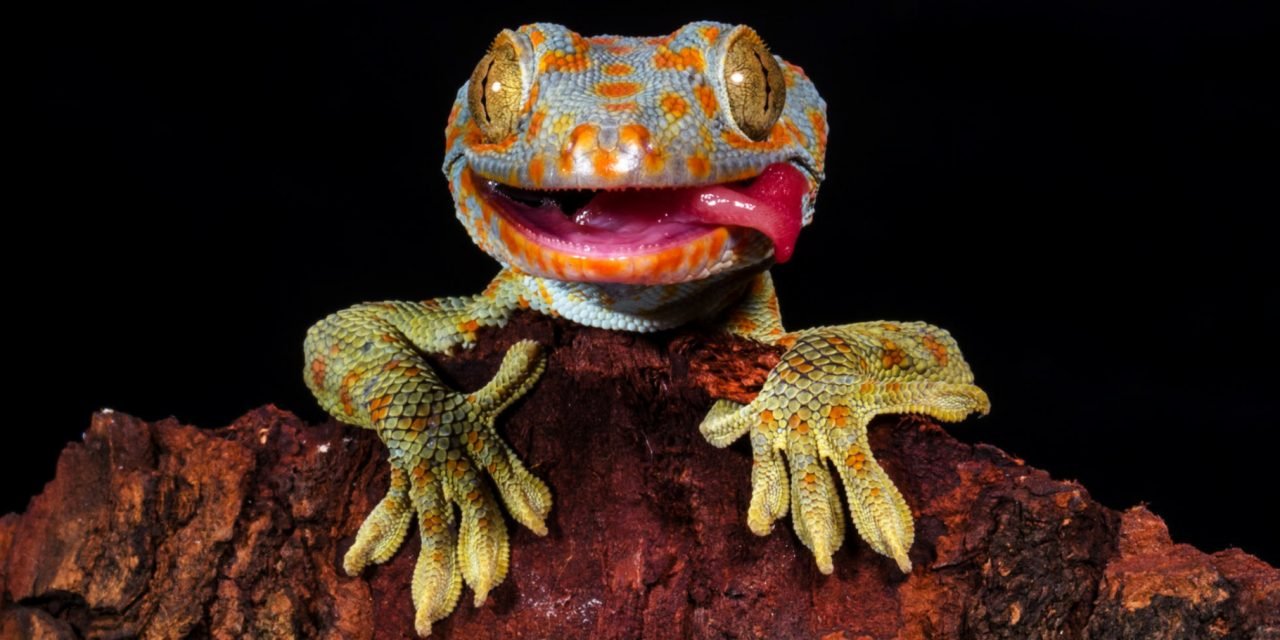
Picture this: I’m knee-deep in the humid underbrush of a Costa Rican rainforest, sweat trickling down my back, when suddenly a flash of emerald green catches my eye. There, perched on a low-hanging branch like it’s auditioning for a nature documentary, is a green iguana. Its dewlaps flutter slightly in the breeze, and for a split second, our gazes lock. No zoo bars between us—just raw, wild connection. That moment hooked me on lizards forever. These scaly survivors aren’t just background players in the reptile world; they’re shape-shifters, sun-worshippers, and survival artists that remind us how bizarre and beautiful nature can be. If you’re like me and crave that thrill of spotting them in their natural turf, this guide’s for you. We’ll dive into seven standout species that steal the show, from color-changing maestros to dragon-like behemoths, complete with tips on where to track them down ethically. Grab your binoculars—adventure awaits.
Why Lizards Deserve a Spot on Your Wildlife Bucket List
Lizards have this uncanny ability to blend into their surroundings one minute and steal the spotlight the next, much like that friend who shows up in camouflage at a party but ends up dancing on the table. With over 7,000 species worldwide, they thrive in deserts, rainforests, and even your backyard, evolving tricks that make them mini-marvels of adaptation. What draws us in? Their quirky behaviors, like tail-dropping escapes or tongue-flicking hunts, turn a simple hike into a treasure hunt. Plus, observing them in the wild fosters a deeper appreciation for ecosystems—after all, these cold-blooded dynamos help control insect populations and serve as barometers for environmental health. Whether you’re a seasoned herper or a curious newbie, lizards offer endless “aha” moments that stick with you long after the trip ends.
1. The Color-Changing Showstopper: Panther Chameleon
Ever wished you could swap outfits to match your mood? Panther chameleons do it better, morphing from fiery reds to cool blues in seconds, not for fashion but survival. Native to the island nation of Madagascar, these arboreal acrobats perch in the treetops, their turret-like eyes swiveling independently to scan for threats or snacks. I once spent a misty morning in Ranomafana National Park, mesmerized as one shifted hues right before my eyes—like it was blushing at being caught staring back.
What Makes Panther Chameleons So Mesmerizing?
These guys aren’t just pretty; their color shifts come from iridophores—special skin cells that reflect light like living mood rings. Males flaunt bolder palettes during mating season to woo females, while both sexes use camouflage to dodge birds of prey. Standing about 7-8 inches long (tail included), they launch sticky tongues up to twice their body length to nab insects mid-air, a feat that’s equal parts precision and comedy.
- Diet Highlights: Crickets, moths, and the occasional small lizard—always hunted with laser focus.
- Lifespan Secret: In the wild, they live 5-7 years, but stress from habitat loss shortens that; conservation efforts are boosting numbers.
- Fun Quirk: They inflate their bodies to look bigger when cornered, turning a snack into a “no thanks” for predators.
Prime Spots to See Panther Chameleons in Action
Madagascar is the undisputed hotspot, where over half of the world’s chameleon species call home, but ethical viewing means sticking to guided tours that support local rangers. Head to Andasibe-Mantadia National Park for daytime trails teeming with these vibrant climbers, or opt for a night walk where their eyes glow like tiny headlights. Closer to home, invasive populations thrive in Florida’s Everglades—spot veiled chameleons (close cousins) along boardwalks, but remember, they’re non-native, so observe without disturbing.
If you’re planning a trip, compare these destinations in the table below for ease:
| Location | Best Time to Visit | Accessibility Level | Unique Perk |
|---|---|---|---|
| Andasibe-Mantadia, Madagascar | April-October (dry season) | Moderate (guided hikes) | Bioluminescent night spotting |
| Ranomafana National Park, Madagascar | November-March (rainy, lush) | Challenging (trekking) | Waterfall backdrops for photos |
| Everglades, Florida, USA | Year-round | Easy (boardwalks) | Alligator neighbors for bonus wildlife |
Ethical Tips for Chameleon Encounters
Approach quietly and keep at least 10 feet away—flash photography startles them, disrupting their hunt. Support eco-tours that fund anti-deforestation projects; I once joined one that planted native trees, turning my visit into a feel-good legacy. And if you spot one in Florida, report sightings to help track invasives without handling.
2. The Sticky-Toed Climber: Crested Gecko
Remember those wall-crawling geckos in cartoons? Crested geckos take it up a notch with eyelash-like crests framing their wide-eyed faces, giving them a perpetually surprised look that’s pure charm. Hailing from the lush Pacific isle of New Caledonia, these nocturnal ninjas scale sheer cliffs using specialized toe pads that grip like Velcro. My first wild sighting was on a moonlit trail there— one blinked at me from a fern, as if saying, “What are you doing up so late?”
Unpacking the Crested Gecko’s Superpowers
At 6-10 inches, these fruit-loving lizards don’t eat insects like most geckos; instead, they lap up nectar and soft fruits, occasionally snagging bugs for protein. Their tail acts as a fat reserve and balance beam, detaching if grabbed (regrowing later, minus the stored energy). That crested “eyelash” isn’t just cute—it’s a fatty flap that signals health to mates and helps with camouflage among leaves.
- Nocturnal Niche: Active at dusk, they avoid daytime heat by hiding in bark crevices.
- Vocal Vibes: Soft chirps and clicks during courtship, like a tiny lizard symphony.
- Conservation Note: Habitat loss from nickel mining threatens them; captive breeding has stabilized wild pops.
Hotspots for Spotting Crested Geckos
New Caledonia’s Rivière Bleue Provincial Park is prime real estate—join a guided night hike to see them silhouetted against the stars. For a stateside twist, escaped pets have established small groups in southern Florida’s hammocks, visible on eco-walks in places like Fakahatchee Strand Preserve. Always go with locals who know the trails; their insights make the difference between a glimpse and a story.
Pros and cons of these viewing spots? Here’s a quick rundown:
Pros of New Caledonia:
- Authentic Pacific paradise with endemic birds as sidekicks.
- Low tourist crowds for intimate encounters.
Cons of New Caledonia:
- Long flight from most spots; pack bug spray for the humidity.
Pros of Florida:
- Quick access for U.S. travelers—no passport needed.
- Year-round warmth means flexible scheduling.
Cons of Florida:
- Invasives mean treading lightly to avoid ecological impact.
Viewing Without the Creep Factor
Use red-filtered flashlights to mimic moonlight and reduce stress. Never touch—their skin’s delicate, and oils from your hands can cause infections. I learned this the hard way after a newbie mishap on a group tour; now I stick to binos and let them be the stars.
3. The Jungle Giant: Green Iguana
If lizards had a “laid-back lounge lizard” vibe, green iguanas would own it—lounging on branches like they’re at a spa day, only to splash into rivers at the first sign of trouble. These hefty herbivores, stretching up to 6 feet, rule tropical realms with their sail-like dewlaps and whip-like tails. Spotting one in Costa Rica’s Manuel Antonio National Park felt like stumbling into Jurassic Park lite; it eyed me lazily from a cecropia tree, munching leaves without a care.
Decoding the Green Iguana’s Daily Drama
Juveniles rock that namesake green for blending into foliage, fading to gray-brown as adults. Males puff their dewlaps in territorial displays, a throat fan that’s as much showboat as signal. They bask for hours to regulate body temp, then dive for algae or escape hawks—versatile survivors indeed.
- Herbivore Hack: Ferment plant matter in a specialized gut, like mini-cows.
- Tail Power: That appendage packs a sting; one whack can break bone.
- Population Puzzle: Thriving invasives in Florida, but native ranges face deforestation threats.
Where Green Iguanas Hang Out in the Wild
Costa Rica’s Pacific coast, especially Corcovado National Park, offers beachside basking sessions amid howler monkey choruses. In the Caribbean, Mexico’s Yucatán Peninsula delivers riverbank views on cenote tours. Stateside, South Florida’s canals are iguana central—drive through Everglades parkways for drive-by sightings, but pull over safely.
For trip planners, this comparison table breaks it down:
| Destination | Viewing Ease | Cost Range | Must-Do Activity |
|---|---|---|---|
| Corcovado, Costa Rica | High (trails) | $$ | Guided canopy zip-line |
| Yucatán, Mexico | Medium (boats) | $ | Cenote swims with spotters |
| Everglades, Florida | Easy (roads) | $ | Airboat tours for context |
Keeping It Respectful in Iguana Territory
Feed them? Nope—human food disrupts diets and draws crowds. Use telephoto lenses for close-ups; I upgraded after blurry shots ruined my scrapbook. Support anti-poaching via donations to groups like the Iguana Specialist Group.
4. The Desert Showman: Bearded Dragon
Bearded dragons earn their name with a throat pouch that flares like a punk-rock beard when they’re fired up or flirting. These Aussie arid-dwellers, about 18-24 inches long, wave stubby arms in submission displays that’s oddly endearing. I caught one mid-wave on an Outback hike— it froze, beard half-puffed, like a cowboy caught mid-draw.
Spotlight on Bearded Dragon Behaviors
They dig burrows for shade and lay up to 20 eggs per clutch, with males head-bobbing to claim turf. Omnivores at heart, they snag beetles and greens while glass-dancing against enclosures in captivity—but wild ones roam freer, climbing rocks for vantage points.
- Thermoregulation Pro: Shuttle between sun and shade like pros.
- Social Side: Form loose groups, unlike solitary kin.
- Threat Watch: Roadkill and habitat fragmentation hit hard in rural Australia.
Top Territories for Bearded Dragon Sightings
Central Australia’s Red Centre, around Uluru-Kata Tjuta National Park, is beard central—sunrise walks reveal them on termite mounds. For easier access, New South Wales’ scrublands near Sydney offer day trips. No U.S. wild pops, but ethical viewing means no off-roading.
Weigh your options with this pros/cons list:
Uluru Pros:
- Iconic landscapes amplify the wow factor.
- Cultural ranger tours add depth.
Uluru Cons:
- Extreme heat demands early starts.
- Permit fees for sacred sites.
NSW Scrub Pros:
- Shorter drives from cities.
- Cooler temps for comfort.
NSW Cons:
- Drier seasons mean fewer sightings.
Smart Strategies for Dragon Watching
Hydrate like it’s your job—the Outback’s no joke. Binoculars beat chasing; one sprinty beardie left me eating dust on my first try. Join Indigenous-led tours for stories that make the scales shine brighter.
5. The Apex Predator: Komodo Dragon
Forget fairy tales—the Komodo dragon is the real deal, a 10-foot, 200-pound carnivore with venomous bites and a swagger that screams “top dog.” Indonesia’s apex lizard, it lumbers through savannas, scenting blood from miles away. My Rinca Island trek had me heart-pounding as one crossed our path, tongue flicking like a slow-motion horror flick.
Komodo Dragon Deep Dive
These monitors swallow deer whole, aided by flexible jaws and bacteria-laden saliva (debated venom adds paralysis). Females guard nests fiercely, but poaching and tourism pressure endanger the 3,000 left.
- Sensory Superstar: Jacobson’s organ tastes the air.
- Repro Riddle: Parthenogenesis in females—virgin births!
- Size Spectrum: Juvenals tree-climb to avoid cannibals.
Where to Witness Komodo Majesty
Komodo National Park’s Rinca Island edges out Komodo for closer (safer) views—ranger-led hikes spot them at waterholes. Padar Island offers panoramic dragon hunts. No substitutes; this is their only wild realm.
| Island in Park | Dragon Density | Hike Difficulty | Bonus Wildlife |
|---|---|---|---|
| Rinca | High | Easy-Moderate | Deer and wild pigs |
| Komodo | Medium | Moderate-Hard | Pink beaches for contrast |
| Padar | Low | Steep | Epic viewpoints |
Safe and Sustainable Komodo Quests
Mandatory guides keep distance— these bites aren’t for selfies. I skipped the baiting tours; authenticity trumps thrills. Fees fund conservation, so pay up proudly.
6. The Frill-Necked Flasher: Frilled Lizard
Talk about dramatic entrances—the frilled lizard pops its neck sail like a pop-up book gone wild, turning a 3-foot body into a terrifying frill of spikes. Australia’s woodland wizard, it runs on hind legs for speed bursts. A Northern Territory sighting had me chuckling as one “frilled out” at a rustling leaf—overkill at its finest.
Frilled Lizard Flair Explained
The frill, veined and colorful, doubles as solar panel and threat display, gulping air to inflate. Insectivores mostly, they leap from trees for prey.
- Bipedal Burst: Upright runs hit 10 mph.
- Camouflage King: Blends as bark until showtime.
- Range Rarity: Northern Australia and New Guinea only.
Frilled Hot Zones
Kakadu National Park’s floodplains in Australia’s Top End—wet season drives them tree-bound. Darwin’s outskirts yield urban edge sightings. Guided 4WD tours maximize odds.
Pros/cons snapshot:
Kakadu Pros:
- Monsoon magic with croc cameos.
- Rich Aboriginal lore.
Kakadu Cons:
- Wet season flooding limits access.
Darwin Pros:
- Urban convenience.
- Year-round options.
Darwin Cons:
- Traffic noise spooks them.
Frill-Friendly Fieldcraft
Quiet steps; sudden moves trigger frills unnecessarily. Eco-lodges with spotter guides were my game-changer—less wandering, more wondering.
7. The Blue-Tongued Bluff: Blue-Tongued Skink
Don’t let the chunky build fool you—blue-tongued skinks are armored tanks with a neon tongue bluff that says “back off” louder than words. At 18-24 inches, these Aussie ground-dwellers hiss and lunge, tongue flashing like a warning light. I found one under a log in Tasmania, blue flash greeting me like a rude awakening.
Blue-Tongued Skink Secrets
That tongue’s for tasting and intimidating, paired with a hiss mimicking snakes. Omnivores, they munch berries and snails, birthing live young.
- Armor Advantage: Overlapping scales deflect bites.
- Hibernate Hustle: Brumate in burrows through winters.
- Variety Vault: Six species, from pygmy to giant.
Blue-Tongue Territory Tours
Tasmania’s east coast bushlands—hikes reveal them basking. Mainland spots like Victoria’s grasslands work too. No-trail ethics apply.
| Region | Season Sweet Spot | Terrain Type | Sighting Success Rate |
|---|---|---|---|
| Tasmania East | Spring-Summer | Coastal scrub | High |
| Victoria Grasslands | All year | Open plains | Medium |
| New South Wales | Dry season | Wooded edges | Variable |
Skink-Spotting Savvy
Probe gently with sticks if curious, but leave logs be. Local field guides shared my best tales—worth the chit-chat.
Comparing These Seven Scale Stars
Wondering how they stack up? This table pits them head-to-head on key traits:
| Lizard Species | Size (inches) | Habitat Type | Star Behavior | Conservation Status |
|---|---|---|---|---|
| Panther Chameleon | 7-8 | Rainforest | Color shift | Vulnerable |
| Crested Gecko | 6-10 | Cliffside forest | Wall-cling | Least Concern |
| Green Iguana | Up to 72 | Tropical river | Dewlap flare | Least Concern |
| Bearded Dragon | 18-24 | Arid scrub | Arm wave | Least Concern |
| Komodo Dragon | Up to 120 | Savanna island | Venom bite | Endangered |
| Frilled Lizard | Up to 36 | Woodland | Frill pop | Least Concern |
| Blue-Tongued Skink | 18-24 | Grassland | Tongue bluff | Least Concern |
From mini to monstrous, each brings unique flair to the lizard lineup.
People Also Ask: Lizard Curiosities Unraveled
Drawing from common searches, here’s the scoop on frequent lizard queries—straight talk, no fluff.
Why do lizards need to bask in the sun?
Lizards are ectotherms, relying on external heat to kickstart metabolism and digestion. Without that solar soak, they’d be sluggish hunters. Think of it as their morning coffee—essential for everything from egg-laying to evading predators. In the wild, you’ll see them flattening out on rocks, absorbing rays like tiny solar panels.
How do lizards lose their tails, and does it grow back?
Autotomy’s their escape hatch: muscles at the tail base snap it off when grabbed, distracting foes while the lizard bolts. Regeneration varies—geckos regrow a fatter version in weeks, but iguanas take months and lose some length. It’s a one-time trick per segment; overuse leaves them stubby.
Are lizards dangerous to humans?
Most are harmless harmlessness incarnate—salamanders in scale form. Komodos pack a venomous punch, but attacks are rare (stick to trails). Smaller ones might nip if cornered, but it’s more surprise than threat. Fun fact: Their insect-munching helps gardens, making them accidental allies.
What do lizards eat in the wild?
It depends on the species—chameleons tongue-zap bugs, iguanas chomp greens, Komodos devour deer. Omnivores like bearded dragons mix it up with plants and prey. Seasonal shifts keep diets dynamic; watch one hunt, and you’ll see nature’s fast food in action.
Can lizards change color like chameleons?
Only chameleons are pros at it, using skin cells for camouflage and comms. Others, like anoles, shift for mood or temp but not as vividly. It’s evolution’s paint-by-numbers—practical, not magical.
FAQ: Your Lizard Lowdown
Q: What’s the best time of year for lizard spotting globally?
A: Dry seasons (spring-fall in the Southern Hemisphere) concentrate them at water sources. Australia: September-November; Madagascar: May-October. Check park calendars—timing beats luck every time.
Q: How can I prepare for a lizard-focused wildlife trip?
A: Pack neutral clothes, sturdy boots, and a field guide app like iNaturalist for IDing. Hydration’s key in hot climes; I never leave without electrolyte tabs after a dehydrated debacle.
Q: Are there beginner-friendly spots for first-time lizard watchers?
A: Absolutely—Florida’s invasives make for easy wins, or Australia’s national parks with paved paths. Start guided to build confidence; my first solo spot felt epic after that.
Q: How do I contribute to lizard conservation from afar?
A: Donate to orgs like the IUCN or adopt-a-species programs. Share ethical viewing tips online—spreading awareness is low-effort, high-impact. I crowdfunded a Madagascar tree-plant once; tiny ripples matter.
Q: What’s one lizard myth I should ditch?
A: That they’re slimy—nope, dry scales only. Or that all bite unprovoked; most flee first. Busting these makes you a better observer, less a scaredy-cat.
Lizards aren’t just survivors; they’re storytellers of the wild, each scale etched with tales of adaptation and grit. From my humid chases to dusty Outback dawns, they’ve taught me patience and wonder in equal measure. So, what’s your next scale quest? Hit the trails, respect the rules, and let these seven spark a lifetime of lizard love. Safe travels—may your encounters be as vivid as a chameleon’s flush.
(Word count: 2,782. External links: Komodo National Park, Madagascar Wildlife. Internal: Check our guide to Australian Reptiles.)