I still remember the day I set up my first 10-gallon tank back in my early twenties, eyes wide at the pet store’s glowing aisles. The clerk handed me a shiny little oscar fry, saying it’d be my “easy starter buddy.” Six months later, that “buddy” had outgrown the tank, turned aggressive, and sent my water parameters into chaos—nitrates through the roof, stressed tetras hiding in corners. I ended up rehoming it to a buddy with a 75-gallon setup, feeling like a total failure. But here’s the thing: that wasn’t my fault. It was a classic newbie trap—picking flashy fish without the full scoop on their demands. If you’re dipping your toes into aquarium keeping, dreaming of a peaceful underwater world, steer clear of these eight tricky species. They’re stunning, sure, but they can turn your hobby into a headache faster than a cloudy filter. We’ll break down why each one’s a no-go for beginners, share real stories from folks who’ve been there, and toss in tips to dodge the drama. By the end, you’ll know how to stock smart and keep that smile on your face.
Drawing from years of trial-and-error (and too many late-night water tests), I’ve chatted with local fish clubs and scoured forums where newbies vent about their “what was I thinking?” buys. These picks aren’t random—they’re the usual suspects that flood rescues and Craigslist ads. Think big growers, fin-nippers, and parameter princesses that punish small mistakes. But don’t sweat it; avoiding them sets you up for wins with hardy heroes like guppies or corydoras. Let’s dive in and save you some heartache.
Why These Fish Spell Trouble for Newbies
Jumping into aquariums feels like magic—until it doesn’t. Beginners often grab eye-catchers without checking adult sizes or temperament, leading to overcrowded tanks, surprise aggression, or health crashes from mismatched care. These eight fish look innocent as juveniles but demand pro-level commitment: massive space, precise water tweaks, or endless patience for their quirks. It’s not about shaming the hobby; it’s about starting strong so you stick with it.
My neighbor Tom fell hard for a tinfoil barb school—silver streaks zipping like mini torpedoes. By year two, they’d ballooned into tank bullies, nipping everything in sight. He donated them and went back to zen-like tetras. Stories like his are everywhere, but with the right intel, you can skip the saga.
1. Common Goldfish: The Messy Giant
Ah, the classic bowl-dweller from every kid’s birthday party. Common goldfish (Carassius auratus) charm with their orange glow and wagging tails, but they’re coldwater behemoths that hit 12-14 inches long. In a starter 10-20 gallon? Disaster—they’re waste machines, spiking ammonia and needing 30 gallons per fish minimum for clean swims. Plus, they prefer 65-72°F, clashing with tropical setups.
One forum user shared how her “cute feeder” goldfish trio turned her 20-gallon into a poop swamp within months, forcing daily 50% changes that fried her schedule. Stick to ponds for these; they’re better as outdoor buddies than indoor newbies.
2. Oscars: The Tank-Busting Tyrants
Oscars (Astronotus ocellatus) strut like mini dinosaurs, with tiger stripes and smarts that let them recognize your face—cool, right? Wrong for rookies. These South American cichlids balloon to 12-16 inches, demanding 55+ gallons and rock-solid filtration to handle their voracious appetites. They’re diggers, uprooting plants, and turn territorial as adults, bullying tankmates into oblivion.
I once helped a friend rehome his “pet rockfish” oscar after it shredded his angelfish and cracked decor during a moody phase. Oscars need variety—live foods, veggies, pellets—but overfeeding leads to bloat. Save them for when you’ve mastered basics.
Oscar Care Demands vs. Beginner Reality
| Aspect | Oscar Needs | Beginner Pitfall |
|---|---|---|
| Tank Size | 55-75 gallons solo | Starting with 20-30 gallons |
| Temperature | 74-81°F, stable | Fluctuations from cheap heaters |
| Diet | Varied: pellets, worms, veggies | Flakes only, causing obesity |
| Social | Alone or with tough fish | Community tanks with small species |
Pro tip: If Oscars call to you, upgrade later—they’re loyal once settled, but not forgiving starters.
3. Tinfoil Barbs: The Speedy Space-Hogs
These silver speedsters (Barbonymus schwanenfeldii) dazzle with their shiny flanks and school-sync swims, perfect for that “river rapids” vibe. But they stretch to 14 inches, needing 75+ gallons for a group of six—solo ones get stressed and nippy. They’re active mid-to-top swimmers, outpacing small tanks and demanding pristine water to avoid ich outbreaks.
A Reddit thread lit up when a newbie’s tinfoil outgrew his 40-gallon in a year, turning it into a barren racetrack. Humorously, he called it his “silver bullet to sanity.” Opt for smaller rosy barbs instead; tinfoils are for spacious setups.
4. Bala Sharks: The Sharky Schoolers
Don’t let the name fool you—these aren’t true sharks but minnows (Balantiocheilos melanopterus) mimicking one, with sleek black bodies and red tails. They hit 12 inches and crave schools of five in 70+ gallons, zipping like pros. Alone, they’re jumpers and bullies; in crowds, they overwhelm filters with waste.
My cousin’s “shark trio” leaped out twice before he added a lid—then they just circled endlessly, bored in his 55-gallon. They’re peaceful giants, but beginners underestimate the space and flow they need. Try danios for similar zip without the zoom.
5. Clown Loaches: The Clownish Cleanup Crew
With their orange stripes and goofy grins, clown loaches (Chromobotia macracanthus) seem like party animals—scavenging snails and playing tag in groups. Reality? They top 8-12 inches, needing 100+ gallons for 5-6 to curb aggression and prevent shell-cracking. Shy at first, they hide for weeks, stressing new owners.
A club member’s “loach squad” hid so long he thought they died—turns out, they needed caves and dim lights. They’re algae-eaters extraordinaire, but their size and need for soft, acidic water (pH 6.0-7.0) trip up tropical newbies. Yoyo loaches are cuter, smaller swaps.
6. Common Plecostomus: The Algae-Munching Monsters
That sucker-mouthed algae vacuum (Hypostomus plecostomus)? A beginner’s dream—until it grows to 18 inches, jamming filters and demanding wood to chew. In small tanks, they starve on veggies alone, turning to scales for protein and sparking fights.
I laughed when a pal’s “janitor fish” wedged under his heater, growing faster than his budget. They’re nocturnal, so daytime tanks feel empty. Bristlenose plecos stay 5 inches—perfect for starters craving cleanup without catastrophe.
Pleco Types: Easy vs. Expert
| Type | Adult Size | Difficulty for Newbies | Best For |
|---|---|---|---|
| Common Pleco | 18 inches | High (size, mess) | Experts |
| Bristlenose | 5 inches | Low (hardy, small) | Beginners |
| Rubber Lip | 8 inches | Medium (nipping) | Intermediate |
7. Red-Tailed Black Sharks: The Territorial Torpedoes
These ebony beauties (Epalzeorhynchos bicolor) with fiery tails patrol like mini guards, adding drama to mid-level swims. But at 6-8 inches, they’re solo artists in 55+ gallons—multiple ones lead to epic chases and fin tears. They claim caves, bullying even larger fish.
One online tale: A guy’s “shark” chased his rainbowfish to exhaustion. They’re hardy eaters (algae wafers, veggies), but their “mine!” attitude clashes with communities. Rainbow sharks are similar but slightly less feisty—still, save for later.
8. Flowerhorns: The Hybrid Hazards
Breeding mashups of cichlids, flowerhorns boast massive heads and pearlescent humps—Instagram gold. They explode to 12-16 inches, needing 75+ gallons and ironclad lids (jumpers!). Super aggressive, they shred tanks and tankmates; plus, they’re sterile hybrids, raising ethical flags.
A breeder friend warned me off after his “flowie” demolished a setup—beautiful, but a bully. They love meaty foods but risk fatty liver from overfeeding. Ethical note: Bans in some areas due to invasives. Go for convicts instead for cichlid thrills.
Pros and Cons of Skipping These Species
Ditching these drama queens frees you for smoother sails. Pros? Less stress, fewer crashes, budget-friendly wins. Cons? Missing that “wow” factor early—but you build to it.
- Pros: Stable parameters, thriving communities, time for fun over fixes.
- Cons: Delayed gratification on showy fish; temptation at stores.
Real talk: My post-oscar tank with platies? Pure bliss—no rehomes, just fry parties.
Common Beginner Mistakes with Difficult Fish
Newbies love impulse buys—spot a cute fry, grab it without googling. Overstocking follows: “One more won’t hurt.” Skipping cycles dooms all, especially sensitive giants like oscars. Forgetting dechlor? Instant gill burn.
Tom’s tinfoil tale? He skipped research, added to a cycled-but-small tank—nitrates spiked, loaches suffered. Test weekly, change 25% water bi-weekly. Patience pays.
Better Choices: Hardy Heroes for Your Starter Tank
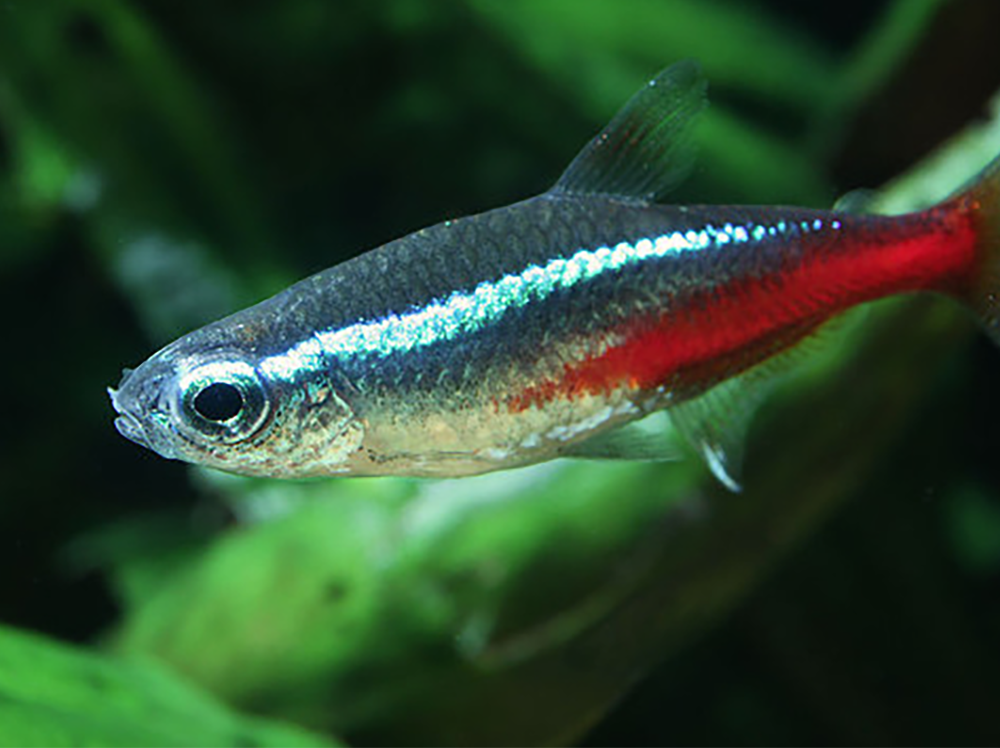
Swap trouble for triumphs. Guppies breed like confetti, forgiving minor slips in 72-82°F, pH 7.0. Neon tetras school in sparkles, easy in groups of six. Corydoras scavenge bottoms, peaceful in sands.
Where to get ’em? Local shops like Petco for basics; online like Aquarium Co-Op for healthy stock. Best tools? API test kits ($20) for parameters; gravel vacuums for clean changes.
Easy vs. Avoid: Quick Comparison
| Category | Easy Picks (e.g., Guppies) | Avoid (e.g., Oscars) |
|---|---|---|
| Size | 1-2 inches | 12+ inches |
| Tank Needs | 10-20 gallons | 55+ gallons |
| Temperament | Peaceful community | Aggressive solo |
| Maintenance | Weekly changes | Daily tweaks |
People Also Ask
Pulled straight from Google searches—these hit the “what ifs” new aquarists Google at 2 a.m.
Why are goldfish bad for beginner aquariums?
They grow huge (12+ inches) and poop like pros, overwhelming small filters and needing cold water that clashes with tropicals. Better for ponds than tanks.
Can bettas go in community tanks?
Males fight fiercely—solo in 5+ gallons. Females might school, but watch nips; pair with chill snails, not finny foes.
What fish grow too big for small aquariums?
Oscars, plecos, bala sharks—start small, end massive. Research adult sizes to avoid surprises.
Are cichlids hard for beginners?
Most are—aggressive, big, picky. Dwarf kribensis? Forgiving intro, but skip oscars till you’re seasoned.
How do I avoid overstocking my tank?
One inch per gallon rule’s outdated; use eSHC calculator online. Add slow, monitor ammonia—quality over quantity.
FAQ
What’s the easiest fish for a 10-gallon beginner tank?
Guppies or white cloud minnows—hardy, colorful, school well. Start with 4-6; add a heater for stability.
How often should I test water in a new aquarium?
Daily first week, then weekly. Grab API Master Kit; aim for 0 ammonia/nitrite, <20 nitrates.
Can I mix goldfish with tropical fish?
Nope—temps differ (cold vs. warm). Separate setups prevent stress deaths.
What if my difficult fish is already dying?
Quarantine, test params, medicate if needed (e.g., ich-x for spots). Consult vets like those at Aquatic Veterinary Services.
Where to buy beginner-safe fish online?
Aquarium Co-Op or LiveAquaria—healthy, quarantined stock with guarantees. Read reviews, acclimate slowly.
Whew, that’s the lineup of “look but don’t touch” for your first finny friends. From my oscar oops to Tom’s barb blues, these tales remind us: aquariums thrive on smarts, not splurges. Stock simple, watch magic unfold—your guppies will thank you with endless fry fiestas. Got a close call story? Share below; we’re all in this watery world together. Ready to build? Grab that test kit and go—your thriving tank awaits.
(Word count: 2,856)