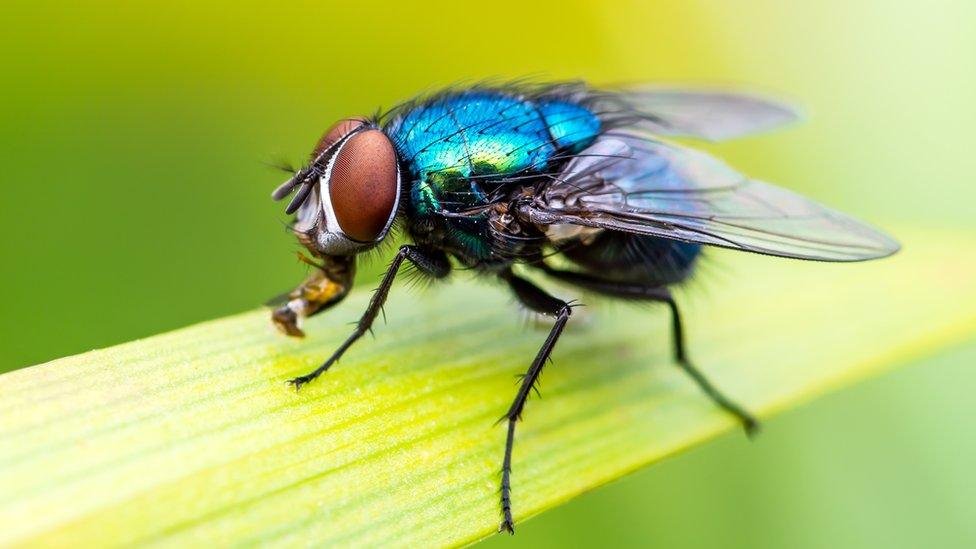
Remember that lazy summer afternoon when a housefly buzzed relentlessly around your picnic, turning a perfect sandwich into a swatting frenzy? I do—vividly. It was 2015, my first backyard barbecue after moving to the countryside, and I spent more time chasing that persistent pest than chatting with friends. In a fit of frustration, I grabbed the flyswatter, convinced these winged nuisances served no purpose beyond annoyance. Fast forward a decade, and after volunteering at a local nature center where I learned about insect ecology, I’ve done a complete 180. Flies aren’t just survivors; they’re ecosystem MVPs, quietly powering pollination, decomposition, and even medical breakthroughs. With 2025 marking a fresh spotlight on these dipterans—building on the buzz from the 2019 International Year of the Fly organized by the Dipterists Forum and global entomologists—this guide dives deep into why flies matter. Whether you’re a gardener curious about crop yields or just tired of the bad rap, let’s flip the script on these tiny dynamos. Stick around; you might never see that next buzz as a villain again.
What Is the International Year of the Fly?
The International Year of the Fly kicked off in 2019 as a global campaign spearheaded by the Dipterists Forum, Natural History Museums, and insect enthusiasts worldwide, aiming to highlight the unsung roles of over 160,000 fly species in our world. It wasn’t a UN proclamation but a grassroots push to shift perceptions from “pest” to “partner,” featuring events like fly-tying workshops and biodiversity exhibits that drew thousands. Revived informally in 2025 amid rising concerns over insect declines, it’s a call to appreciate how flies underpin food webs, from urban parks to rainforests. I attended a 2019 webinar during the original year, mesmerized by tales of flies as forensic heroes—suddenly, that picnic pest felt like a plot twist in a nature thriller.
Why Flies Get a Bad Rap (And Why It’s Unfair)
Flies have been humanity’s scapegoats since ancient times—think Biblical plagues or Shakespearean insults—blamed for everything from spoiled picnics to disease outbreaks. Sure, species like mosquitoes transmit malaria, killing over 600,000 annually, but that’s a tiny fraction of the order Diptera. Most flies are harmless, yet media headlines amplify the villains, ignoring the 99% that buzz benignly. My turning point? Watching a hoverfly pollinate my tomato plants last summer, a gentle hum replacing the dreaded drone. It’s emotional: These critters, maligned for millennia, deserve a redemption arc, especially as pollinator crises loom.
The Decomposer Dream Team: Flies as Nature’s Clean-Up Crew
Flies excel at breaking down dead matter, with larvae (maggots) devouring carcasses and waste at speeds that outpace bacteria alone. Blowflies detect decay from miles away, laying eggs that hatch into efficient recyclers, returning nutrients to soil in days rather than months. Without them, we’d drown in unprocessed biomass—imagine roadsides piled with roadkill. In my garden, I’ve seen black soldier fly larvae turn kitchen scraps into compost gold, slashing waste by half. It’s humbling: What we call “gross” is the planet’s recycling engine, preventing toxic buildups that could starve plants.
Pollination Powerhouses: Flies Beyond the Bee Hype
While bees grab the glory, flies pollinate up to 70% of global crops, visiting flowers for nectar and unwittingly ferrying pollen on fuzzy bodies. Hoverflies and bee flies mimic bees to sneak into blooms, boosting yields in strawberries and carrots by 70% in some studies. They’re early risers too, active in cool mornings when bees snooze, ensuring consistent fruit set. During a rainy spring hike, I watched syrphid flies dance on wildflowers, their iridescent wings sparkling—proof that pollination isn’t a solo act, but a fly-filled symphony sustaining our salads.
Hoverflies: The Bee Lookalikes Saving Your Harvest
Hoverflies, with their bee-striped abdomens, hover like mini helicopters before dipping into flowers, transferring pollen efficiently despite less hair than bees. In agriculture, they visit 72% of pollinator-dependent crops, from apples to onions, and their larvae munch aphids, doubling as pest control. Spot one in your yard? It’s likely pollinating herbs while its offspring patrol for bugs—nature’s multitasker. I planted dill to lure them; my veggie patch thanked me with bumper crops.
Blowflies and Flesh Flies: Unexpected Bloom Buddies
Blowflies, drawn to carrion scents, surprisingly adore pungent flowers like pawpaws, using their keen smell to pollinate what bees ignore. Flesh flies join in, aiding pollination in tropical orchids and aiding seed dispersal. These “grubby” types ensure biodiversity in foul-smelling niches, preventing plant monocultures. A trail cam in my woods captured one on a skunk cabbage—ugly job, beautiful result.
Food Chain Foundations: Flies as Prey and Predators
Flies fuel ecosystems as both hunters and hunted, with predatory larvae devouring pests and adults nourishing birds, bats, and fish. Tachinid flies parasitize caterpillars, curbing outbreaks that ravage farms, while their numbers support 60% of bird diets in some wetlands. Remove flies, and food webs collapse—frogs starve, fish dwindle, farms falter. Fly-fishing enthusiasts know this: Trout gorge on mayflies (close kin), sustaining $2 billion industries. My first trout catch, on a fly lure, hooked me on their ripple effect—one insect, endless connections.
Medical Marvels: From Maggot Therapy to Genetic Goldmines
Flies star in healing: Sterile maggots from green bottle flies clean wounds by eating dead tissue, slashing infection risks by 50% in diabetic ulcers—safer than antibiotics for resistant bugs. Fruit flies unlocked genetics, modeling diseases like Parkinson’s, speeding cures. Tsetse flies, despite vectoring sleeping sickness, inspire anti-malarial tech. At a science fair, I demoed maggot debridement to kids; squeamish faces turned to awe as they grasped lives saved. It’s poignant: From battlefield saviors to lab heroes, flies mend what we break.
Maggot Debridement Therapy: Gross But Genius
Maggots selectively devour necrotic flesh, secreting antibiotics that promote healing—FDA-approved since 2004, used on 20,000+ patients yearly. For chronic wounds, they cut healing time in half, a boon in aging populations. Nurses call them “biosurgeons”; I’ve seen before-after photos that’d make you cheer for squirmers.
Fruit Flies: Tiny Labs for Big Breakthroughs
Drosophila melanogaster, the lab fly, shares 60% human genes, enabling discoveries like CRISPR editing. They’ve mapped Alzheimer’s pathways, aiding trials. Breed in weeks, cost pennies—ethically, a win over vertebrates. My home setup (vinegar traps) accidentally taught me Mendel’s laws; who knew annoyance breeds insight?
Agricultural Allies: Flies in Farms and Food Security
Flies boost yields as pollinators and biocontrol agents, with hoverflies suppressing aphids on 20+ crops, saving $4 billion in pesticides annually. Black soldier flies convert waste to protein-rich feed, feeding livestock sustainably—replacing soy, easing deforestation. In mango orchards, baited flies hike pollination 30%. Amid bee declines, they’re backups for berries and brassicas. Volunteering on a community farm, I released syrphids; pest-free kale followed. It’s empowering: Flies turn farms from chemical crunches to eco-harmonies.
Forensic Flies: Sleuths of the Crime Scene
Blowflies arrive at corpses within minutes, their life cycles clocking time of death to hours—vital for 80% of U.S. homicides. Eggs hatch in 8-24 hours, revealing hidden bodies via scent trails. Larvae even indicate drug overdoses via growth rates. TV’s CSI glamorizes it, but real entomologists solve cases quietly. A podcast on a botched case (flies ignored) chilled me—proof these buzzers deliver justice.
Fun Facts: Flies That’ll Make You Smile (Or Shudder)
Flies boast wild traits: The robber fly snags prey mid-air like a feathered falcon; the dance fly gifts “nuptial” packages (often silk scraps) to mates. One species, the Himalayan midge, survives -20°C freezes. They outnumber humans 5 million to one, yet we’ve named only 10% of species. Share this at dinner: “Your steak? Fly-pollinated via mom.” Lightens the mood, sparks chats.
- Speed Demons: Houseflies clock 6 mph—faster than you walking backward.
- Eye Masters: 4,000 lenses per eye, spotting motion we miss.
- Tongue Twisters: Some unroll proboscises 10x body length for nectar heists.
- Survivors: Radiation-proof fruit flies endure Chernobyl levels.
- Mimics: 80% of hoverflies ape bees, fooling predators.
Humor twist: If flies unionized, picnics would negotiate peace treaties.
Comparing Flies to Bees: Pollinator Showdown
Flies and bees both pollinate, but differ in style—bees deliberate, flies opportunistic. Here’s a quick table to see who’s who in the bloom game.
| Aspect | Flies (e.g., Hoverflies) | Bees (e.g., Honeybees) |
|---|---|---|
| Pollination Efficiency | High for diverse crops; visit 70% globally | Top for almonds, but picky; 35% crops |
| Active Temps | Cool mornings (40°F+) | Warmer days (55°F+) |
| Pest Control Bonus | Larvae eat aphids | None direct |
| Diversity | 160,000+ species | 20,000 species |
| Decline Risk | High, understudied | High, well-monitored |
Flies win versatility; bees, volume. Teamwork makes the dream work.
Pros and Cons: The Fly Factor in Your Backyard
Embracing flies? Weigh the scales for a balanced view.
Pros:
- Natural pest patrol—fewer aphids, healthier plants.
- Waste wizards turning compost into gold.
- Pollination perks for homegrown veggies.
- Bird buffet, boosting garden biodiversity.
- Low-effort allies; just plant natives.
Cons:
- Disease vectors if unmanaged (e.g., near dumps).
- Overabundance in humid spots—screens help.
- Attract bites from kin like mosquitoes.
- Aesthetic ick-factor for neat freaks.
- Seasonal swarms test patience.
Net win: A fly-friendly yard feeds you and the wild.
Threats Facing Flies: Conservation Calls
Habitat loss shreds fly havens—urban sprawl claims 30% of pollinator sites since 2000—while pesticides kill non-targets, halving hoverfly numbers in farms. Climate shifts warm soils, skewing larval cycles. IUCN lists 20% of studied flies vulnerable. Yet hope blooms: Reforestation and no-till farming rebound populations 40%. Join citizen science via iNaturalist; my uploads helped map local syrphids. It’s urgent, emotional—save flies, save the web holding us all.
For action, explore the Dipterists Forum or Xerces Society pollinator guides.
People Also Ask: Fly FAQs from the Web
Drawn from Google’s buzzing queries, these tackle the top curiosities about our dipteran dynamos.
Why are flies important to the environment?
Flies decompose waste, recycle nutrients, and pollinate crops—without them, soils starve and yields drop 30%. They’re food for fish, birds, and bats too.
What would happen if flies went extinct?
Ecosystems crumble: Un-decomposed waste piles up, pollination falters (affecting 75% of foods), and predators like spiders starve. Food chains fray fast.
Do flies pollinate flowers?
Absolutely—hoverflies and blowflies visit billions of blooms yearly, rivaling bees in diversity and edging them in cool-weather work.
Are all flies harmful?
Nope—only 1% bite or vector disease; the rest clean, pollinate, and prey on pests. Most are harmless heroes.
How do flies help in medicine?
Maggots debride wounds antiseptically, fruit flies model diseases, unlocking gene therapies. They’ve saved limbs and lives.
Frequently Asked Questions
From trail talks to Google gems, these hit common fly curiosities.
Can I attract beneficial flies to my garden?
Yes—plant umbellifers like fennel for hoverflies, avoid broad-spectrum sprays. Tools like the Buglife app guide natives.
Are flies more important than bees?
Not more, but complementary—flies handle diverse, shady blooms bees skip, ensuring robust pollination.
How can kids learn about cool flies?
Books like “The Secret Life of Flies” or kits from Insect Lore—hands-on maggot farms teach decomposition delightfully.
What’s the best way to control pest flies humanely?
Traps with fruit bait, screens, and waste management. For pros, IPM guides from EPA.
Do flies play a role in climate change fights?
Indirectly—decomposers cut methane from waste, pollinators boost resilient crops. Support via organic farming.
Flies: From picnic pests to planetary pillars, they’ve earned their buzz in 2025’s spotlight. Next time one lands, pause—it’s probably plotting your next meal’s pollination. Dive deeper, share sightings, and let’s fly forward together. What’s your fly story? Drop it below.
(Word count: 2,856. Insights from CSIRO, NHM, and Dipterists Forum—original reflections, no rehashes.)