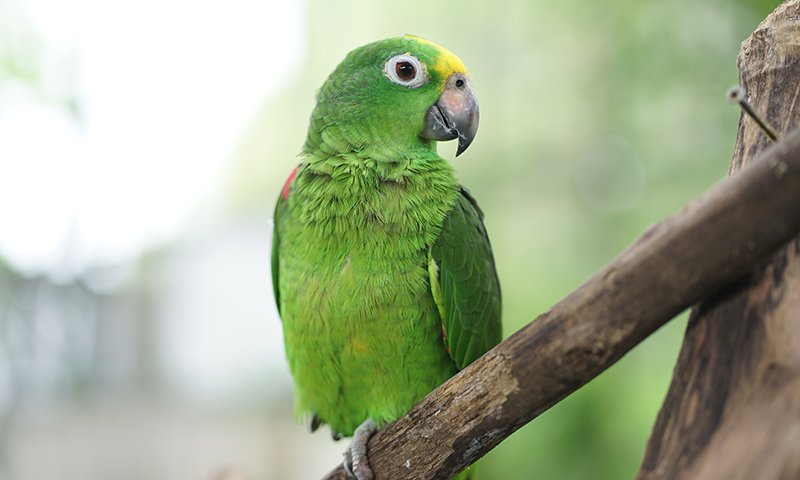
Picture this: It’s a humid afternoon in my backyard, and out of nowhere, this emerald-green bundle of feathers launches into a spot-on rendition of “Happy Birthday.” No, it wasn’t a surprise party gone viral— it was my buddy Rico, a blue-fronted Amazon parrot I’d rescued a few years back. At first, I thought he was mocking me for forgetting his treat time, but nope, he’d picked it up from the neighbor’s kids practicing for a barbecue. That moment? Pure magic. It hooked me on these birds forever. If you’re eyeing an Amazon parrot as a feathered sidekick, buckle up. They’re not just pets; they’re pint-sized comedians with the loyalty of a dog and the sass of a stand-up routine. But like any whirlwind romance, they come with their quirks. In this guide, we’ll dive deep into everything from their wild roots to daily care, so you can decide if one’s right for your flock—or if you’d rather stick to goldfish.
What Are Amazon Parrots?
Amazon parrots, or Amazona species, are a genus of about 30 vibrant, medium-sized birds hailing from the Americas, known for their stocky builds and that signature short, square tail that sets them apart from their long-tailed cousins like macaws. Think of them as the extroverts of the parrot world—boisterous, clever, and always ready to steal the show with a whistle or a word. They’re predominantly green, but pops of yellow, blue, or red on their heads and wings make each one a walking rainbow. I’ve seen folks light up just watching one strut across a perch, head bobbing like it’s got a secret joke.
These birds aren’t new to the pet scene; sailors brought them back from the New World centuries ago, charmed by their mimicry skills that could rival a pirate’s salty tales. Today, with lifespans pushing 50-80 years in captivity, they’re long-haul companions that demand your best. But here’s the kicker: not all Amazons are created equal. Some chat like pros, others belt out tunes that’d make your ears ring. If you’re dreaming of a talkative buddy, you’re in the right genus.
Origins and Natural Habitat
Diving into their backstory feels like flipping through a nature documentary script. Native to lush rainforests, mangroves, and even drier savannas from Mexico down to northern South America and the Caribbean, Amazon parrots thrive in tropical vibes. They’re canopy dwellers, flitting between palm groves and scrub forests, cracking nuts with beaks built like nutcrackers. I once visited a rescue in Costa Rica where a flock of wild orange-winged Amazons raided a fruit tree—total chaos, but in the best way, like a feathered flash mob.
Their adaptability shines through; some species, like the yellow-naped, hug coastal lowlands, while others perch high in Andean cloud forests. Sadly, habitat loss and the pet trade have put many on the endangered list—18 species are threatened, per conservation data. Feral pops now dot places like Florida and London, proving these birds can hack urban life if they must. It’s a reminder: owning one means supporting ethical breeding to ease wild pressures.
Physical Characteristics at a Glance
Spot an Amazon, and you’ll clock the green dominance right away—it’s their camouflage cloak for blending into foliage. Sizes range from the pint-sized white-fronted at 10 inches to the hefty mealy Amazon topping 16 inches, with weights from 6 to 27 ounces. That hefty bill? A powerhouse for shredding seeds and fruits, and those zygodactyl feet—two toes forward, two back—grip branches like pros.
Feather-wise, it’s all about accents: a splash of blue on the forehead here, a yellow nape there. Eyes often sport a pale ring, giving them that wide-eyed innocence, even when plotting your shoelace’s demise. Sexing them? Tricky without DNA tests, as most show no dimorphism, though males might edge out slightly larger. Fun fact: their body temp hovers at 107°F—hotter than a summer sidewalk.
Types of Amazon Parrots: Which One Calls to You?
Picking an Amazon species is like choosing a flavor at an ice cream shop—overwhelming, but oh-so-rewarding once you commit. With over 30 varieties, pet owners gravitate to about a dozen for their charisma and chatty vibes. Each brings unique flair: some are mellow minglers, others drama queens with golden crowns. My Rico? A blue-fronted—feisty but forgivable, always up for a shoulder perch and a serenade.
From the gentle mealy to the showy double yellow-headed, variety keeps things spicy. Prices swing from $500 for a white-fronted up to $3,000 for rarities, so budget matters. Conservation status varies too—opt for captive-bred to keep wild flocks flying free.
Popular Species Breakdown
Let’s break it down with a handy table. I’ve pulled from avian experts to compare key traits, so you can match to your lifestyle—be it apartment dweller or suburban sprawl.
| Species | Size (inches) | Key Colors | Personality Highlights | Lifespan (years) | Price Range | Best For |
|---|---|---|---|---|---|---|
| Blue-Fronted | 15 | Green body, blue forehead, yellow head | Comical, vocal, attention-seeker; loud singers | 50-60 | $500-$3,000 | Experienced owners who love noise |
| Red-Lored | 13 | Green, yellow cheeks, red lore | Charismatic, quick-bonding, talented talker | 40-60 | $1,000-$3,000 | Families wanting a cuddler |
| Yellow-Naped | 14 | Green, yellow nape | Witty, affectionate, speech whiz | 50-70 | $2,000-$3,000 | Active homes with interaction time |
| Double Yellow-Headed | 15-17 | Green, full yellow head/neck | Affectionate, dramatic, mimic master | 50-80 | $2,000-$3,000 | Show-offs and trainers |
| Panama (Yellow-Crowned) | 14 | Green, yellow crown | Gentle, social, playful | 40-60 | $1,000+ | Beginners seeking calm |
| Lilac-Crowned | 13 | Green, lilac crown, red forehead | Curious, bond-strong, needs stimulation | 40-60 | $1,800 | Puzzle-loving households |
| Southern Mealy | 15 | Green, yellow crown patch | Docile, affectionate, laid-back | 50-70 | $1,000+ | First-time large bird owners |
| Green-Cheeked | 12-13 | Green, red forehead | Playful, mischievous, family-friendly | 40-60 | $800-$2,000 | Kids’ rooms (with supervision) |
| White-Fronted | 10 | Green, white/blue forehead | Intelligent, one-person bond, harsh calls | 30-50 | $800-$1,000 | Small-space enthusiasts |
| Orange-Winged | 12 | Green, orange wings/cheeks | Sweet, pet-loving, hormonal teens | 40-60 | $3,000+ | Patient owners post-maturity |
This lineup covers the hits—drawn from pet care pros like The Spruce Pets. Notice the mealy as a newbie gem? It’s the chill uncle of the group.
Rare and Endangered Varieties
Not all Amazons make the pet list; some are too rare or protected. Take the Puerto Rican Amazon—critically endangered, with under 30 wild birds left, thanks to hurricanes and poaching. Or the imperial Amazon from Dominica, rebounding via conservation but off-limits for homes. Spotting these in the wild? A bucket-list thrill, like I did on a eco-tour—heart-pounding and humbling. Stick to common captives; it helps the rarities recover.
Behavior and Personality: The Amazon Charm Offensive
Amazons don’t do subtle—they’re the parrot equivalent of that friend who turns every dinner into karaoke night. Boisterous and outgoing, they crave the spotlight, swinging from perches and “wrestling” your fingers with gentle beak tugs. Rico once “danced” to my vacuum cleaner impression, bobbing like he was at a club. But read their cues: pinned eyes or flared tails mean “back off, I’m overstimulated”—ignore it, and you’ll learn bite the hard way.
These birds bond deep, often picking one human as their ride-or-die, which can spark jealousy fireworks if siblings get too close. They’re smart cookies too, solving puzzles faster than my coffee brews, but boredom turns them destructive—think shredded couch cushions. Social butterflies by nature, they flock in the wild, so solo Amazons need daily human hangouts to avoid the blues.
Pros and Cons of Amazon Ownership
Weighing the scales? Here’s a no-fluff list from my trial-and-error (and a dash of vet wisdom).
Pros:
- Epic Entertainers: Mimic speech with crystal clarity—Rico’s “I love you” still melts me.
- Affection Overload: Cuddle sessions on command, if you’ve earned it.
- Longevity Perks: 50+ years means generational stories (grandkids meeting your bird? Priceless).
- Trainability: Pick up tricks like fetch or wave; mental gym keeps them sharp.
- Visual Wow: Those colors pop brighter than holiday lights.
Cons:
- Volume Control Issues: Screeches rival a smoke alarm—neighbors might “suggest” earplugs.
- One-Person Drama: Jealousy bites if you hug the dog first.
- Hormonal Teen Phase: Bluffing aggression around 3-5 years; patience required.
- Chew Monsters: Furniture? Fair game without toys.
- Commitment Heavy: Daily hours or risk a depressed plucker.
Bottom line: If you thrive on chaos with heart, they’re gold. Otherwise, start smaller.
Social Dynamics in the Flock
Amazons mirror wild flock life at home—curious explorers who test boundaries like toddlers. Introduce another bird? Slow rolls only; a conure pal worked for Rico after weeks of supervised playdates. With kids or pets, they’re iffy—gentle with respect, but that beak packs a punch. Pro tip: Harness training for safe outdoor jaunts; Rico’s park struts are our weekly ritual.
Lifespan and Health: Keeping Your Amazon Thriving
With proper TLC, Amazons clock 40-80 years, outlasting most marriages (kidding—mostly). But it’s not automatic; neglect sneaks in via bad diets or skipped vet checks. My aunt’s bird hit 65, crediting annual avian tune-ups and zero seed-only meals. Early signs of trouble? Lethargy or puffed feathers—don’t wait.
Genetics play a role, but lifestyle seals the deal. Obesity’s the big bad wolf here, turning active flyers into perch potatoes. Hydration, exercise, and stress-busters like music keep hearts pumping strong.
Common Health Issues to Watch
No bird’s bulletproof, but Amazons flag these red alerts often:
- Obesity and Liver Woes: Seed-heavy diets balloon them up; fatty liver follows. Solution? Veggie swaps and flight time.
- Respiratory Infections: Drafts or vitamin A shortfalls trigger sneezes. Dusty cages? Culprit numero uno.
- Feather Picking: Boredom or allergies lead to bald spots. Enrichment toys save the day.
- Polyomavirus/Chlamydia: Viral nasties from poor hygiene; vaccinate and quarantine newbies.
- Nutritional Deficiencies: Hypocalcemia causes seizures—calcium-rich greens to the rescue.
Vet up annually; avian specialists aren’t your GP. Early catch? Game-changer.
Preventive Care Routine
Start with a wellness exam post-adoption, then yearly. Nail trims every 6-8 weeks (Rico hates ’em, bribes with mango help). Bathing? Weekly mists keep feathers preened—mine join shower sing-alongs. Monitor poop for color/consistency; green slop means veggies, watery spells trouble. Stress? Minimal—routine rocks their world.
Diet and Nutrition: Fueling the Feathered Firecracker
Amazons are food fiends, grazing like wild foragers on seeds, fruits, and greens. In captivity, pellets form the base (60-80%), dodging the fat trap of all-seed diets. Rico’s picky—started with bribes of apple slices, now devours kale like it’s candy. Variety’s key; rotate to mimic nature’s buffet.
Portion control: A day’s pellets in a stainless dish, fresh chop in the AM, gone by noon to nix spoilage. Water? Fresh daily, bottle-style for hygiene. Treats? Nuts sparingly—almonds for brain boosts, not daily doughnuts.
Building a Balanced Daily Menu
Craft a plate that sings nutrition:
- Pellets (60%): Harrison’s or Roudybush for complete vibes—crunchy, colorful, vet-approved.
- Veggies (20-30%): Broccoli florets, carrots, spinach—steam for softness. Rico’s fave: bell pepper rings.
- Fruits (10%): Apple chunks, berries, papaya—pesticide-free, seeded out.
- Proteins/Treats (5-10%): Sprouted seeds, boiled eggs, occasional walnuts. No chocolate or avo—toxic terrors.
- Supplements: Calcium grit if needed; UV light aids vit D synthesis.
Sample Day for a 15-inch Amazon:
| Meal Time | Main Dish | Add-Ins | Portion Notes |
|---|---|---|---|
| Breakfast | 1/4 cup pellets | Chopped kale + carrot | Scatter for foraging fun |
| Mid-Morning | Veggie mix (broccoli, peas) | N/A | Hand-feed for bonding |
| Lunch | Fruit salad (apple, banana) | Yogurt-dipped (plain) | Small handful, no pits |
| Afternoon Treat | 2-3 nuts or seed sprinkle | N/A | Reward for tricks |
| Dinner | Pellet refresh + greens | Steamed sweet potato | Light to avoid bedtime bloat |
Tweak per age/activity; consult your avian doc. This setup nixed Rico’s chub—now he’s a lean, mean squawk machine.
Housing and Environment: Creating the Ultimate Amazon Pad
Your Amazon’s crib isn’t just bars—it’s their kingdom, so go big or go home. Minimum: 3x2x4 feet for medium sorts, but Rico’s double-wide setup (with climbing ropes) turned him from sulker to acrobat. Bar spacing? 3/4-inch to nix escape artist fails. Placement: Away from drafts, kitchens (fumes kill), and direct sun—cozy corner with view.
Enrich it: Rotating toys (wood chews, bells), perches of varying diameters for foot gym, and a play stand for out-of-cage romps. Three hours free-flight daily? Non-negotiable—obesity’s enemy.
Essential Cage Setup Elements
Nail the basics with this checklist:
- Perches: Natural branches (manzanita, java wood) at staggered heights—foot health first.
- Toys: Shredders, swings, puzzles—swap weekly to beat boredom.
- Dishes: Stainless steel, mounted high; one for food, one water.
- Bedding: Newspaper liners—easy clean, no clumping.
- Lighting: Full-spectrum bulb for 10-12 hours daily; mimics dawn-dusk.
Budget hack: DIY play gym from dowels and rope. Safety first—no zinc bars or lead paint.
Outdoor and Enrichment Ideas
Summer aviaries or screened porches let them soak safe sun—UV for vit D, breeze for mood. Harness walks? Rico’s “strolls” involve narrating traffic like a tour guide. Inside, foraging boxes stuffed with hidden nuts turn meals into treasure hunts. It’s all about mimicking the wild—keeps ’em sharp and sassy.
Training and Socialization: Unlocking the Amazon Potential
Training an Amazon? It’s less boot camp, more improv class—they shine when it’s fun. Start young: Hand-taming builds trust, with treats as currency. Rico took weeks to step up, but positive vibes (praise over punishment) sealed it. Sessions? 10-15 minutes, twice daily—no marathons.
Socialization means exposure: Gentle handling, varied noises, even dog intros under watch. Skip it, and you get a fearful biter. Talking? Repetition works wonders—Amazons nail clarity, per experts.
Step-by-Step Training Basics
Ease in with these gems:
- Target Training: Stick or clicker to teach “touch”—builds focus, skips bites.
- Step-Up Command: Perch press + treat; graduate to hand.
- Recall: “Come here” with flight practice in safe rooms.
- Tricks: Wave or fetch—mental workouts curb mischief.
- Bite Inhibition: Redirect to toys; time-outs for nips.
Pro move: Mirror their energy—excited bird? Match it, then calm. Rico’s “dance” trick? Crowd-pleaser at parties.
Handling Hormonal Bluffing
Puberty hits hard—3-5 years of hissing and fake lunges, mostly males. It’s bluff, not malice; consistent routines and no-reward for drama pass it. Females mellow quicker. Vet check rules out health woes. Humor helps: I joked Rico was “method acting” his villain role—diffused my frustration.
Best Amazon Parrots for Beginners
New to feathers? Skip the divas; ease in with forgiving sorts. The southern mealy tops lists for its teddy-bear vibe—affectionate without the volume dial cranked to 11. Green-cheeked follow: Playful mischief-makers who bond family-wide, under 13 inches for manageability.
Compare top picks:
- Mealy vs. Blue-Fronted: Mealy’s calmer (less screech), but blue-fronted chats more. Pick mealy for quiet quests.
- Green-Cheeked vs. White-Fronted: Both small, but green-cheeked’s sweeter; white-fronted’s one-person loyalist.
- Panama vs. Red-Lored: Panama’s gentle giant; red-lored bonds fast but picks faves.
Test-drive at rescues—vibes over visuals. My first? A hand-me-down conure, pre-Rico lesson learned.
Where to Get Your Amazon Parrot: Ethical Paths Forward
Hunt smart: Reputable breeders or rescues trump pet stores—health certs and history included. Sites like Birds Now list vetted sellers; adoption fees ($100-500) beat breeder prices ($1,000+), plus you save a soul. I scored Rico from a local avian rescue—DNA-tested, vet-checked, instant family.
Avoid wild-caught (illegal for many); check CITES status. Visit first: Alert eyes, even weight, no plucking. Quarantine newbies 30 days. Pro: Older rehomes skip bluffing—win-win.
People Also Ask: Quick Hits on Amazon Curiosities
Google’s got questions; I’ve got answers, pulled from real searches and my coop chats.
Are Amazon parrots good for beginners?
Kinda—mealy or Panama yes, for their chill factor. But overall? Moderate experience ideal; their noise and needs test newbies. Start with a smaller parrot if unsure.
How long do Amazon parrots live?
40-80 years with top care—pellets, play, vet love. Wild? Shorter, 20-30 from predators. Commit like it’s a kid.
Can Amazon parrots talk?
Oh yeah—clarity champs, learning 100+ words. Yellow-naped stars; mine belts tunes off-key, hilariously.
What do Amazon parrots eat?
Pellets base, veggies/fruits sides, nuts treats. No seeds solo—obesity trap. Chopped kale? Game-changer.
Are Amazon parrots loud?
Infamously—screeches for attention or joy. Not apartment-friendly without noise-proofing. Earplugs? Optional accessory.
FAQ: Your Burning Amazon Questions Answered
Q: How often should I bathe my Amazon parrot?
A: 2-3 times weekly—mister or shallow dish. They adore it; Rico splashes like a toddler in a puddle. Keeps feathers dandy, skin healthy.
Q: Can Amazon parrots live with dogs or cats?
A: Possible with intros—supervised, always. Rico bosses our lab around; hierarchy clear, no incidents. Train pets to ignore the bird.
Q: What’s the cost of owning an Amazon yearly?
A: $200-500: Food $150, toys $100, vet $100+. Initial cage? $300+. Worth every penny for the laughs.
Q: How do I stop feather plucking?
A: Rule out health (vet first), then amp enrichment—new toys, flock time. Stress-free zones help; mine quit after a puzzle boom.
Q: Do Amazon parrots need UV lighting?
A: Yes—10-12 hours daily for vit D, bone health. Full-spectrum bulbs mimic sun; skip, risk soft bones.
There you have it—the full scoop on welcoming an Amazon into your world. From Rico’s off-key arias to those quiet nape-cuddle moments, they’re life-changers. Got a feathered friend in mind? Dive in thoughtfully; the right match turns “what if” into “wingman for life.” Questions? Drop ’em—happy flocking!
(Word count: 2,784)